

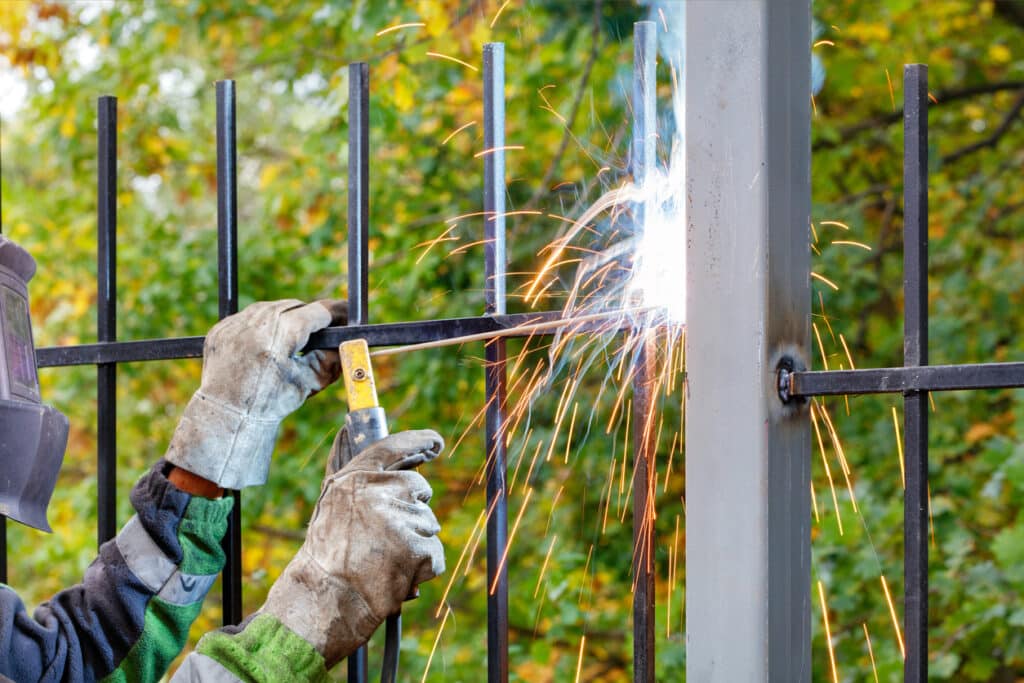
Protect Your Property and Wildlife With the Right Fence
Many residential and commercial fences are built to prevent unwanted trespassing, but they aren’t tailored toward animals. This can lead to serious injury for wildlife that attempt to climb through or hop over a fence. There is a solution: wildlife-friendly fencing, which is specifically built to keep deer, raccoons and other creatures free from harm (and off your lawn).
How Fences Can Harm Wildlife
The biggest threat fencing poses is sharp pickets that are poorly spaced. Too much room allows animals to slip through, while some create openings that make it impossible for wildlife to escape.
Many innocent animals get impaled on sharp fences each year, leading to untimely, painful deaths. This isn’t just distressing to discover; it harms the ecosystem, too. Wildlife-friendly fencing follows strict safety principles that prevent injuries from occurring and keep animals safe.
You Don’t Have to Choose Between Your Property and Animal Welfare
The right fences will strike the balance between security and environmental protection. In other words, you can keep animals off your property without posing a threat to them with dangerous fencing.
The key qualities to look out for include:
- Smooth, flat rails rather than spiked pickets
- Fence panels at a safe height to prevent animals from tripping over them
- Animal-friendly spacing that either stops entry or allows smooth passage
When it comes to animal-friendly fencing, you have to consider both material and design. For example, sharp aluminum pickets with speared tops aren’t friendly for a deer that may try to jump over them. But a wood fence with a smooth, flat rail could be a safer option.
Tips for Choosing a Wildlife Fence
First, start by identifying your personal needs. Do you live in an area with a large wildlife population? If so, what species are most commonly found nearby? You should also consider eliminating potential food sources that could draw animals to your property in the first place.
When you’re building a fence, be sure to ask a professional company about what options they have that will protect wildlife. Local experts are familiar with the terrain and the type of animals that typically cross into people’s yards; they can help you determine the best design.
As a general rule, fences should be at least 40-42 inches high and have at least 16 inches of clearance below the bottom rail. Avoid barbed wire altogether, and consider adding markers like flags to prevent birds and fast-moving creatures from accidentally hitting the fence.
If you’re ready to get a safe, secure wildlife fence, contact the pros at Zachary Fence in Zachary, LA.