

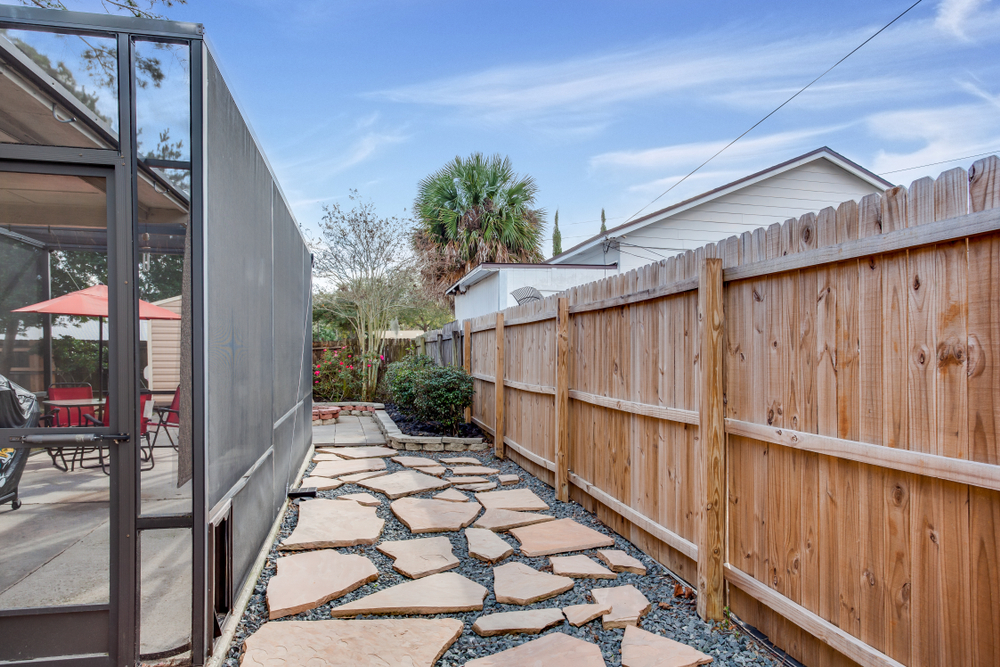
When you purchase a new construction home, everything might seem pristine and perfectly planned. However, one common surprise many buyers face is that the builder didn’t include a fence. It is not uncommon to walk into your backyard and realize it is completely open, with no clear property boundaries. Whether for privacy, safety, or curb appeal, adding a fence becomes an immediate priority. But in neighborhoods governed by a Homeowners Association (HOA), you cannot just install any fence you like. You need to consider HOA-approved choices, which often limit your options.
This article explores the top fence options for new construction neighborhoods that typically comply with HOA rules. It provides guidance to help you choose a fence that is functional, stylish, and acceptable under your community’s standards.
Understanding HOA Restrictions on Fencing
Before choosing a fence, it is essential to understand why HOAs often have strict regulations. These organizations aim to maintain uniformity and aesthetic consistency within a community. That means fencing must follow specific guidelines for height, color, material, and placement. If the builder didn’t include a fence, chances are they left that responsibility to the homeowner, but within clearly defined boundaries.
HOAs typically provide documentation detailing what types of fences are permitted. These guidelines help preserve the visual harmony of the neighborhood and ensure that any additions do not affect property values or create conflicts between neighbors. Violating HOA rules can lead to fines, mandatory fence removal, or disputes with the board. For homeowners living in new construction homes with no fence, it’s essential to get HOA approval before installing anything.
Another important consideration is the timeline. Some HOAs require homeowners to submit formal applications and wait several weeks for approval. Planning ahead can help avoid delays and reduce the risk of installing a non-compliant structure.
Popular HOA-Approved Fence Materials
When it comes to choosing materials, HOAs often restrict options to ensure fences look uniform throughout the neighborhood. Among the most commonly approved materials are wood, vinyl, aluminum, and wrought iron. Each offers distinct advantages and a different visual effect.
Wood fences are a traditional favorite, offering a warm and classic look. They are often approved in new construction neighborhoods, especially if painted or stained to match community standards. Wood can be crafted into privacy fences, picket styles, or decorative panels. However, it does require regular maintenance, such as sealing and repainting, to prevent weather damage.
Vinyl is another popular option, especially in communities that prioritize clean, modern aesthetics. It is durable, low-maintenance, and available in a range of colors and styles. Vinyl fencing does not warp, fade, or rot, which makes it ideal for homeowners who want long-term reliability without much upkeep. Many HOAs favor white vinyl or neutral tones that blend in with the homes.
Aluminum and wrought iron fences are often approved in upscale or luxury neighborhoods. These materials lend an elegant and upscale look, suitable for front yards or perimeter fencing. While aluminum mimics the appearance of wrought iron, it is more resistant to rust and generally more affordable. Both materials are often used to mark boundaries without obstructing views.
Fence Styles That Pass HOA Requirements
HOAs typically specify not only the materials allowed but also the fence styles and dimensions. For homeowners in a new construction neighborhood where the fence was not included, it’s important to choose a style that complies with these rules while still meeting personal preferences for privacy, security, or aesthetics.
Picket fences are frequently approved for front yards and create a welcoming, traditional appearance. While they do not provide much privacy, they are ideal for maintaining visibility and a neighbor-friendly environment. Most HOAs prefer white picket fences or natural tones that align with the color schemes of the neighborhood.
Privacy fences, often constructed from wood or vinyl, are common in backyards. These are tall, solid panels that shield your outdoor space from neighbors and passersby. HOAs may limit privacy fence height to six feet and restrict their use to the rear and side property lines.
Split rail or post-and-rail fences are commonly used in suburban developments with larger lot sizes or semi-rural surroundings. These open-style fences offer clear boundary markers without obstructing the view. They are often approved in communities that value a more rustic or pastoral look.
Shadowbox fences, which alternate the pickets on either side of the rail, provide moderate privacy with a visually appealing design. This style is often approved because it offers a balanced, symmetrical look from both sides, making it neighbor-friendly.
Navigating the Approval Process
Once you have chosen a suitable fence style and material, the next step is submitting a request to your HOA for approval. This process often involves completing an architectural request form, including diagrams or renderings, and specifying exact dimensions and materials.
If your new construction home has no fence and you’re eager to install one quickly, try to gather all necessary information upfront. Contact the HOA or property manager to clarify the submission steps. Some associations also require neighbor consent if the fence will be placed along shared property lines.
After submission, HOA boards typically meet once a month to review architectural changes. Approval times can vary, so it is important to be proactive and follow up if needed. During the waiting period, avoid scheduling contractors or purchasing materials. Starting the installation without written approval can result in costly penalties.
Once approved, be sure to follow the plan exactly. Any deviation, such as changing the height, location, or color, may result in a violation. Save all documentation as proof of compliance, in case any issues arise later.
Tips for Choosing the Right Fence Contractor
Finding a reputable fence contractor is crucial, especially when dealing with HOA restrictions. A contractor with experience in new construction neighborhoods will understand the importance of following HOA rules and can help you avoid common pitfalls.
Start by researching local contractors who advertise experience with HOA communities. Ask for references, and look for online reviews that mention success with fence approval and installation in similar neighborhoods. Some contractors will even assist with the HOA application process, providing diagrams or renderings for your submission.
Always request a written estimate that includes a breakdown of costs, timeline, and warranty information. Confirm that the contractor is licensed, insured, and familiar with local zoning laws. A good contractor will also notify you of any underground utility lines before digging begins, preventing accidents or fines.
If your builder didn’t include a fence, you may also want to ask them for recommendations. Some builders work with preferred vendors who are already familiar with the community’s layout and regulations. This can speed up the process and ensure the fence blends seamlessly with surrounding properties.
Conclusion
Buying a new construction home with no fence may feel like an incomplete experience. The open backyard can compromise privacy, security, and your sense of ownership. When the new construction fence is not included, it becomes the homeowner’s responsibility to research, plan, and install a suitable barrier. However, in HOA-governed neighborhoods, that task comes with guidelines that cannot be ignored.
By understanding your HOA’s fencing requirements, selecting approved materials and styles, and working with a knowledgeable contractor, you can create a fence that enhances your home and complies with all community rules. Whether you want a cozy backyard retreat, a secure play area for kids, or simply want to mark your property lines, the right HOA-approved fence will bring lasting value to your home. Planning carefully and following the process will help you avoid surprises and enjoy your new space with confidence.
Need A Premier Fence Company Near You?
At Zachary Fence, we’re passionate about helping our Baton Rouge community enhance their properties with durable, secure, and beautiful fencing solutions. Whether you’re looking for a brand-new installation, a quick repair, or a custom design to perfectly fit your home, business, or farm, our expert team is here to deliver results you can count on. We invite you to reach out today—let’s talk about your fencing needs and show you why so many trust us for reliable service, quality craftsmanship, and fences that truly stand the test of time.