

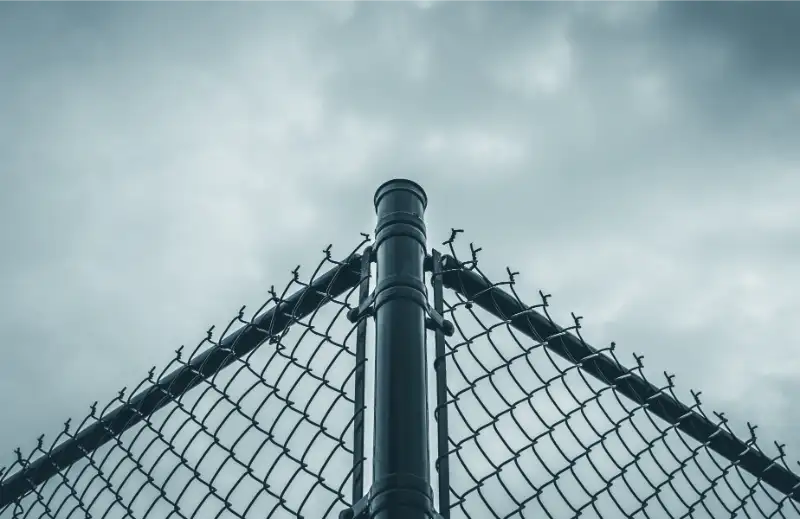
If you’re planning a chain-link fence in Baton Rouge, one of the most important details is post spacing. Setting fence posts too far apart can cause sagging, loose fabric, and a shorter fence lifespan. Posts that are too close together can increase material costs without providing much additional benefit. Getting the spacing right helps your fence stay secure through Louisiana’s heat, heavy rain, and changing soil conditions.
Quick Answer
Chain-link fence posts are typically spaced 8 to 10 feet apart from center to center. For most residential installations, 10-foot spacing works well when paired with the proper post size, concrete footings, and quality materials. However, slopes, gates, corners, soil conditions, and commercial applications may require shorter spacing for added strength.
What Local Readers Should Know
- Most residential chain-link fences in the Baton Rouge area use posts spaced about 10 feet apart.
- Properties with soft or moisture-prone soils in East Baton Rouge Parish may benefit from closer spacing in certain locations.
- Gates, corners, and changes in direction always require additional structural support.
- Heavy rainfall and saturated ground can place extra stress on fence posts if they are not installed correctly.
- Professional layout before digging helps avoid underground utilities and improves long-term fence performance.
Why This Matters Locally
Correct post spacing is especially important in Baton Rouge because fences must withstand intense summer heat, frequent thunderstorms, and periods of heavy rainfall. Neighborhoods near the Mississippi River, University Acres, Shenandoah, Broadmoor, and other parts of the city can experience varying soil conditions that affect fence stability over time.
A fence that is properly engineered for local conditions is less likely to lean, sag, or require premature repairs. Small installation decisions made today can have a significant impact on long-term maintenance costs.
At Zachary Fence, we understand the challenges local property owners face because we install fences designed for the conditions found throughout the Capital Region.
Local Data or Field Observations
Professional field observations show that chain-link fences in south Louisiana experience repeated expansion and contraction from heat, along with increased ground movement after extended periods of rain. These environmental factors make proper post depth, concrete footings, and consistent spacing just as important as selecting quality fencing materials.
Why Post Spacing Matters
Proper post spacing creates an even distribution of weight across the fence system. Every line post supports a section of chain-link fabric while working together with terminal posts, rails, and tension wire.
When posts are spaced correctly, homeowners can expect:
- Better fence stability
- Reduced sagging between posts
- Longer-lasting fence fabric
- Improved resistance to wind loads
- Better gate performance
- Lower maintenance over time
Even a few extra feet between posts can reduce the structural strength of an entire fence line.
Standard Chain-Link Fence Post Spacing
The standard recommendation for most chain-link fences is 8 to 10 feet between line posts.
Common spacing guidelines include:
8 Feet Apart
Eight-foot spacing provides additional support and is often used for:
- Commercial properties
- Athletic facilities
- Security fencing
- High-wind locations
- Heavier fence materials
10 Feet Apart
Ten-foot spacing is the most common choice for residential fencing because it balances structural integrity with material efficiency.
This spacing works well for:
- Backyard fencing
- Pet enclosures
- Property boundaries
- Pool fencing where permitted
- General residential applications
Factors That Affect Post Spacing
Several factors influence whether standard spacing is appropriate.
Fence Height
Taller fences create greater wind resistance.
For example:
- 4-foot fences generally work well with standard spacing.
- 6-foot fences often require heavier posts and stronger footings.
- Taller security fences may benefit from closer spacing.
Soil Conditions
Louisiana soils vary across the region. Softer or wetter ground may require:
- Deeper footings
- Larger concrete bases
- Closer spacing in specific areas
Gates
Gate openings place additional stress on surrounding posts.
Gate posts are typically larger than standard line posts and are set with more substantial concrete footings to support repeated use.
Slopes
Properties with uneven terrain around Baton Rouge, Central, Baker, Prairieville, or nearby communities often require layout adjustments to maintain both appearance and structural strength.
Warning Signs of Poor Post Spacing
Chain-link fences that were installed with improper spacing may develop problems over time.
Watch for:
- Sagging fence fabric
- Leaning posts
- Loose top rails
- Fence sections that flex easily
- Gates that no longer close properly
- Visible movement during strong winds
- Uneven tension across the fence
These issues may also indicate foundation movement or deteriorating concrete footings.
When to Call a Professional
Professional installation is recommended whenever you’re building a new fence, replacing an existing fence, or installing gates.
Property owners can safely:
- Inspect for leaning posts
- Check for loose hardware
- Watch for signs of rust
- Monitor fence tension
Professional assistance becomes important when:
- Property lines need verification.
- Multiple gates are planned.
- Significant slopes are involved.
- Underground utilities may be present.
- Concrete footings require excavation.
- Fence permits or neighborhood requirements apply.
Common Local Causes of Fence Problems
Several local conditions contribute to fence movement over time.
Heavy Rainfall
Extended periods of rain can soften the ground around fence posts.
Expansive Soil
Seasonal moisture changes can cause soil to shift slightly, affecting post alignment.
Storm Winds
Thunderstorms moving through the Baton Rouge area place additional pressure on fence systems.
Aging Fences
Older fences often experience rust, settling, and loosening connections that reduce overall strength.
Prevention and Maintenance
Routine maintenance helps maximize the lifespan of a chain-link fence.
Helpful practices include:
- Inspect posts after major storms.
- Remove vegetation growing against the fence.
- Tighten loose fittings when needed.
- Watch for standing water around footings.
- Address minor leaning before it becomes significant.
- Keep gates properly adjusted.
Annual inspections are especially beneficial after Louisiana’s storm season.
Expected Results
A properly installed chain-link fence with correctly spaced posts should provide years of dependable performance with relatively low maintenance. While every property is different, proper spacing helps minimize repairs and keeps the fence looking straighter and functioning better over time.
Common Mistakes
Mistake: Spacing posts farther apart to reduce material costs.
Consequence: Fence fabric can sag, and rails may experience greater stress.
Better Approach: Follow recommended spacing and adjust for site conditions.
Mistake: Using identical spacing around gate openings.
Consequence: Gates may sag or become difficult to operate.
Better Approach: Install reinforced gate posts with proper footings.
Mistake: Ignoring soil conditions.
Consequence: Posts may lean after heavy rain.
Better Approach: Design the installation based on the property’s specific conditions.
Common Local Scenario
A homeowner in the Baton Rouge area replaces an aging wood fence with chain-link fencing for easier maintenance. During planning, they discover portions of the yard remain damp after heavy rain. Adjusting post spacing and footing design in those sections helps provide additional stability without changing the appearance of the finished fence.
Related Service Solutions
Several fencing services can improve long-term performance, including:
- New chain-link fence installation
- Fence replacement
- Gate installation
- Fence repairs
- Commercial fencing
- Property boundary fencing
Contact us to discuss the right chain-link fence design for your property
Comparing Your Options
| Option | Best For | Considerations |
|---|---|---|
| DIY Installation | Small, simple projects | Requires accurate layout, digging, and concrete work. |
| Professional Installation | Most residential and commercial projects | Proper spacing, grading, and structural support help improve long-term performance. |
| Repair Existing Fence | Minor damage | Works when posts and framework remain structurally sound. |
| Complete Replacement | Older or failing fences | Provides the opportunity to correct spacing, layout, and structural issues. |
Service Areas
We proudly serve homeowners and businesses throughout Baton Rouge, Zachary, Baker, Central, Denham Springs, Prairieville, Gonzales, and surrounding communities across East Baton Rouge Parish and nearby areas.
Cost of Ignoring the Issue
Improper post spacing may not cause immediate problems, but it can contribute to sagging, leaning, loose gates, and more expensive repairs later. Addressing spacing concerns during installation is often more cost-effective than correcting structural issues after the fence is complete.
Frequently Asked Questions
How far apart should chain-link fence posts be in Baton Rouge?
The standard spacing is 8 to 10 feet, with 10 feet being common for residential fencing. Local soil conditions, slopes, and gate locations may require adjustments.
Does Louisiana weather affect fence post spacing?
Yes. Heavy rainfall, high humidity, and occasional severe storms can increase stress on fence systems, making proper spacing and footing installation especially important.
Can posts be spaced farther than 10 feet?
Generally, wider spacing is not recommended because it can reduce fence stability and increase the likelihood of sagging between posts.
Do commercial chain-link fences use different spacing?
Yes. Commercial and security fencing often uses closer spacing or heavier structural components depending on the project’s requirements.
Why are gate posts different from line posts?
Gate posts support moving weight and repeated use, so they are typically larger and installed with stronger concrete footings than standard line posts.
Does soil type matter in East Baton Rouge Parish?
Yes. Soil conditions can influence post stability over time. A professional evaluation helps determine the appropriate footing size and spacing for your property.
Can an existing chain-link fence be repaired if posts are too far apart?
Sometimes. The solution depends on the condition of the fence, the posts, and whether structural changes can improve stability without requiring a complete replacement.
Should I install a chain-link fence myself?
DIY installation may be suitable for small projects, but accurate post spacing, layout, and footing installation are critical. Professional installation helps ensure the fence performs well under local conditions.
Keep Your Chain-Link Fence Strong From the Ground Up
Correct post spacing is one of the most important parts of a durable chain-link fence. Taking local soil conditions, weather, and property layout into account helps create a fence that performs well for years.
Get Expert Chain-Link Fence Installation in the Baton Rouge Area
Whether you’re replacing an old fence or planning a new installation, we’re here to help you choose the right layout for your property.