

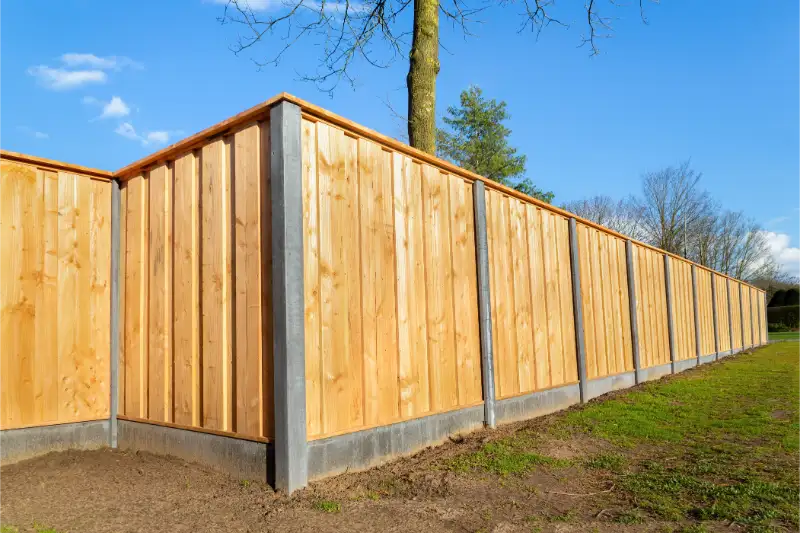
Building a wooden fence is a significant investment for any homeowner or property manager. One of the most critical decisions you will make during the construction process is how to set your fence posts. The question of whether wooden fence posts should be set in concrete is one that has sparked debate among contractors, builders, and fence enthusiasts for years. The answer is more nuanced than a simple yes or no, and understanding the factors involved will help you make the best choice for your specific situation.
The Basics of Fence Post Installation
When installing a fence, the posts serve as the foundation for the entire structure. These posts must be sturdy, stable, and capable of withstanding the weight of rails, panels, and environmental forces like wind and snow. Traditionally, there have been two primary methods for setting fence posts: the concrete method and the non-concrete method using gravel or soil. Each approach has its own advantages and disadvantages that deserve careful consideration.
The concrete method involves digging a hole, placing the wooden post inside, and then filling the hole with concrete to secure it in place. This method has been used for decades and remains popular because it provides excellent stability and prevents posts from shifting over time. However, the relationship between concrete and wooden posts is more complex than many people realize, and understanding this relationship is essential for making an informed decision about your fence project.
Does Concrete Rot Wooden Posts?
This is perhaps the most important question to address when considering setting wooden fence posts in concrete. The short answer is yes, concrete can contribute to wooden post rot, but it is not a direct cause. Rather, concrete creates conditions that can accelerate the rotting process if proper precautions are not taken.
When wooden posts are set directly in concrete, moisture becomes trapped at the point where the wood meets the concrete. Water naturally finds its way into the soil, and concrete, despite appearing solid, is actually porous and allows water to seep through. When moisture accumulates around the base of a wooden post, it creates an ideal environment for fungal growth and decay. The wood in contact with concrete remains damp for extended periods, especially if the post is not properly sealed or if the concrete does not slope away from the post to encourage water drainage.
Additionally, concrete prevents air circulation around the base of the post. Wood needs to dry out periodically to remain healthy and resistant to decay. When a post is surrounded by concrete, the wood cannot dry as effectively, extending the duration of moisture exposure and significantly increasing the risk of rot. This is why posts set in concrete often fail faster than posts installed using other methods, particularly in regions with high rainfall or humidity.
Another concern is the breakdown of the concrete itself over time. Concrete expands and contracts with temperature changes, and this movement can create small gaps between the concrete and the wooden post. Water seeps into these gaps and becomes trapped, perpetuating the moisture problem. In colder climates where freeze-thaw cycles occur, this issue becomes even more pronounced because water expands when it freezes, creating larger cracks and more space for additional water penetration.
How to Prevent Fence Post Rot
If you have decided to use concrete for your fence posts, or if you already have wooden posts set in concrete, there are several strategies you can employ to significantly reduce the risk of rot and extend the life of your fence. Prevention is always more cost-effective than replacement, so taking these steps now can save you considerable time and money in the future.
First and foremost, use pressure-treated lumber for your fence posts. Pressure-treated wood has been chemically processed to resist decay and insect damage, making it far more resistant to rot than untreated wood. While pressure-treated posts are more expensive than untreated ones, the additional cost is quickly justified by the extended lifespan of your fence. When purchasing pressure-treated posts, ensure they are treated for ground contact, as this indicates they have received the appropriate level of chemical protection.
Proper drainage is absolutely critical for preventing fence post rot. When setting posts in concrete, slope the concrete away from the base of the post so that water runs off rather than pooling around it. A slope of just a few degrees can make a significant difference in water drainage. If you are setting multiple posts, ensure that the area around all posts has adequate drainage and does not become a low point where water collects.
Another essential step is to seal the top of the wooden post where it meets the concrete. This is often overlooked but is highly effective at preventing water from seeping into the wood. You can use a wood sealant, waterproof caulk, or even a simple angled cap placed on top of the post. The goal is to create a barrier that prevents water from entering the wood at the critical point where the post emerges from the concrete.
Consider using a post sleeve or barrier between the wood and concrete. Some homeowners and contractors use plastic or metal sleeves that wrap around the base of the post before setting it in concrete. This barrier prevents direct contact between the wood and the concrete, reducing moisture transmission and allowing better air circulation. Post sleeves are readily available at building supply stores and are relatively inexpensive compared to the cost of replacing a failed fence.
Regular maintenance is also important for preventing fence post rot. Inspect your fence periodically, especially after heavy rains or during humid seasons. Look for signs of rot such as soft wood, discoloration, or fungal growth. If you spot early signs of decay, you can often treat the affected area with a wood preservative to slow the rotting process. Additionally, keeping vegetation trimmed away from fence posts prevents excessive moisture retention and improves air circulation.
Alternative Methods for Setting Fence Posts
While concrete is a popular choice, other methods exist for setting wooden fence posts, and some of these alternatives may be better suited to your situation. One alternative is using gravel or crushed stone to backfill the post hole. This method provides drainage around the post base and allows air circulation, reducing the risk of rot. However, gravel does not provide as much stability as concrete, and posts set in gravel are more susceptible to shifting or leaning over time.
Another option is using a combination approach where you use concrete for the upper portion of the hole while using gravel or soil for the lower portion. This compromise provides stability while reducing the moisture trap created by full concrete encasement. Some contractors prefer setting posts directly in soil that has been well-compacted, which offers modest stability and acceptable drainage, though this method requires more post depth to provide adequate support.
For situations where maximum stability is critical, such as for tall fences or fences exposed to high winds, concrete remains the most effective option. In these cases, proper installation techniques become even more important. Ensure that the concrete extends several inches above ground level and slopes away from the post. Use pressure-treated posts exclusively, and apply protective coatings to vulnerable areas.
Conclusion
Setting wooden fence posts in concrete can be effective if done properly with attention to drainage, sealing, and material selection. Use pressure-treated lumber, slope concrete away from posts, seal the top, and maintain your fence regularly. While concrete provides excellent stability, the risk of post rot can be managed through proper installation and preventive maintenance.
Need A Premier Fence Company Near You?
At Zachary Fence, we’re passionate about helping our Baton Rouge community enhance their properties with durable, secure, and beautiful fencing solutions. Whether you’re looking for a brand-new installation, a quick repair, or a custom design to perfectly fit your home, business, or farm, our expert team is here to deliver results you can count on. We invite you to reach out today; let’s talk about your fencing needs and show you why so many trust us for reliable service, quality craftsmanship, and fences that truly stand the test of time.